In 2025, the NCAA Men’s Basketball Tournament drew 8.8 million average live TV viewers in the Round of 64 compared to 18.1 million average viewers in the final. It may seem like around double the viewers in the final compared to the first round is a huge difference. However, compared to other sports leagues, this ratio is a clear outlier. First-round games rarely draw half as many TV viewers as the final. This year, the College Football Playoff First Round got 33% as many viewers as the final, while the NFL pulled in 26%, the NHL secured 31%, and the MLB attained only 24%. Surely, college basketball must be doing something right to pull in millions of viewers on a weekday with multiple games going on at once constantly. Every March, the NCAA men’s basketball tournament uses unpredictability, mass participation from tens of millions of people, and other factors to create a yearly event watched by millions.
One thing the NCAA men’s basketball, otherwise known as March Madness, does right is make its games unmissable events for all college sports fans. With 68 somewhat even teams from across the country, all with loyal fanbases, almost everyone who supports a college and their athletics can follow their team throughout the big dance. Every team can win a game in March Madness, so there’s never a reason to stop watching the non-stop action.
“If I pick an upset, I’ll watch that game and follow that lower-seeded team more,” said ETHS Sophomore Max Cunningham.
This level of competition throughout a variety of teams, along with its single elimination format, causes chaos, upsets, and exciting games in the early rounds that other sports fail to replicate. Lesser-known players, such as Jack Gohlke of Oakland University (which is actually in Michigan), in 2024 became nationally known overnight after leading their teams to upsets. These exciting games and upset stories from smaller schools are unique to March Madness, allowing anybody who watches basketball to enjoy multiple games at once.
“All those different teams of different sizes who play differently into one bracket with so many games; I really enjoy seeing all these teams with different styles of play and the smaller schools who want it more play the big schools,” remarked Cunningham.
Because so many people watch at once, March Madness creates shared moments that are the talk of people in classrooms, offices, and online communities for days.
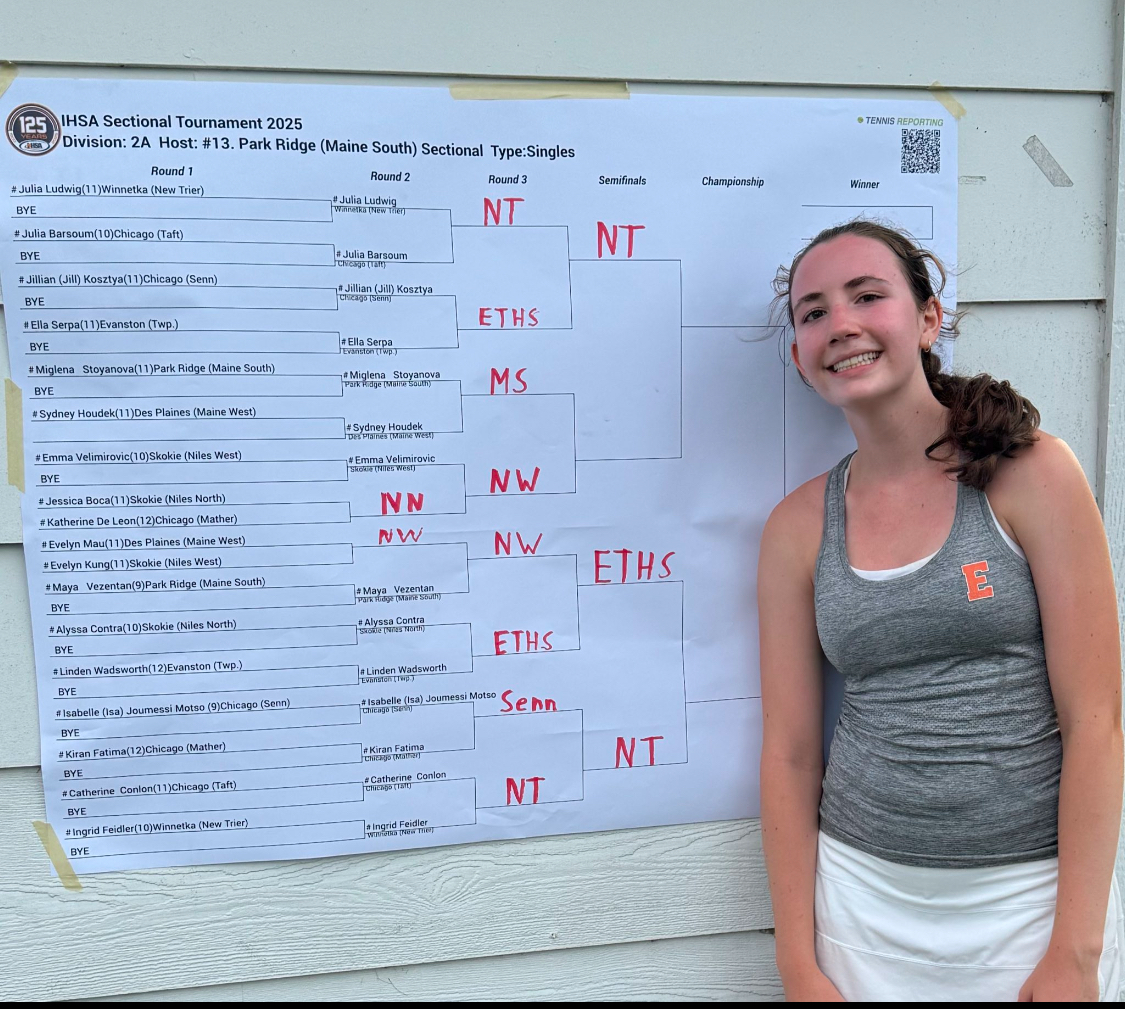
Another reason March Madness draws such a large amount of early-round viewers is that it uses this chaos and randomness to add the element of prediction for any average person. The NCAA allows anyone to make brackets predicting the victors of each game which makes people connect with the teams they choose and want to watch them win, creating unforgettable moments when people are right.
“If I have one team in there that I predicted to do well, I’ll root for them and get to know their team,” said ETHS Sophomore Sammy Roshandel.
This chaos allows any person with any level of college basketball fandom to make a successful bracket and chase a perfect bracket. With over 40 million different users making brackets on a big website such as ESPN, CBS, and Yahoo, the audience for March Madness grows significantly from people who make brackets that do well. If you have a good bracket, you’ll watch more games.
“My bracket performance definitely affects how much I watch. I do watch more games when my bracket does well and when I predict a team to do well, and they do,” stated Sammy Roshandel.
Over the last few decades, March Madness has transformed itself from a basketball tournament to a cultural event by using its unique chaos and unpredictability to its advantage, creating a bracket sensation which helped propel the tournament to new heights and draw in millions of early-round viewers to become an annual phenomenon across America.
March Madness Trivia
There was an error. Please try again.
3 Total Questions