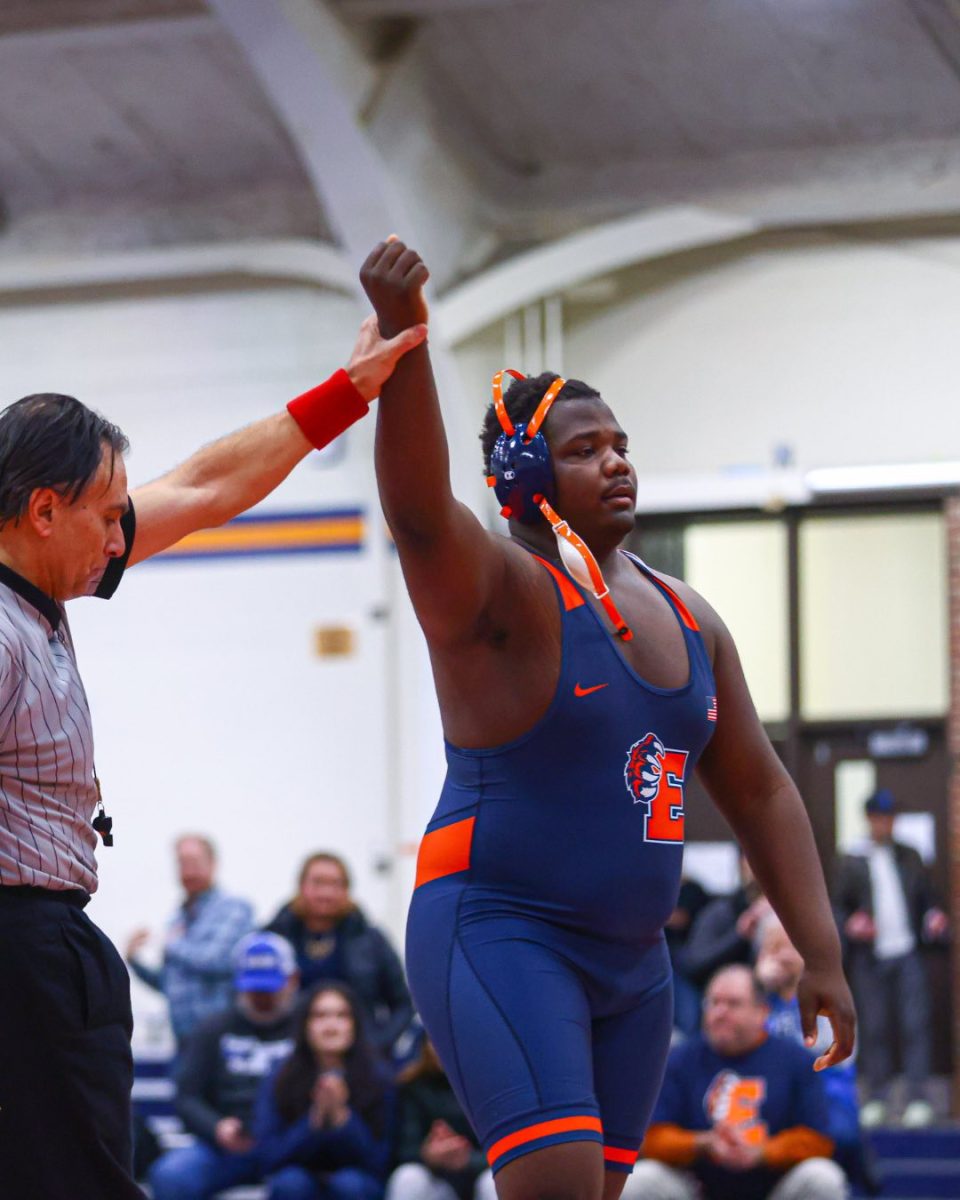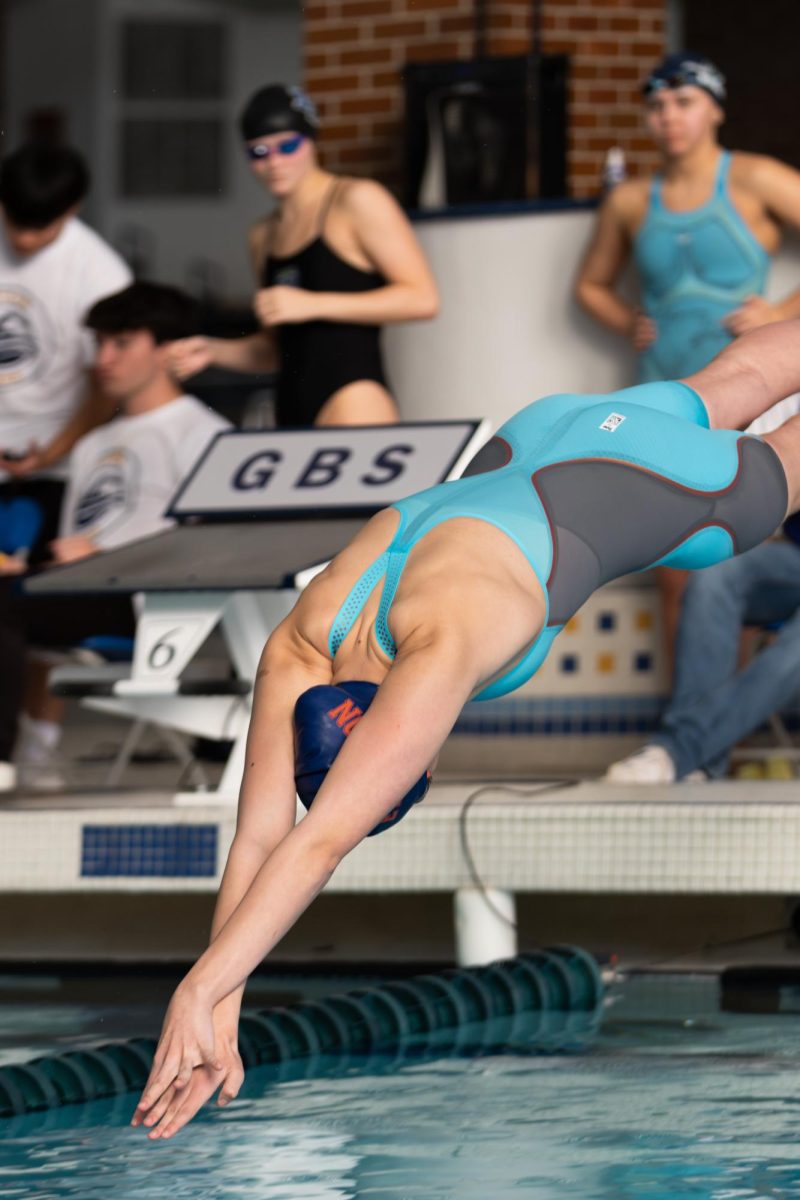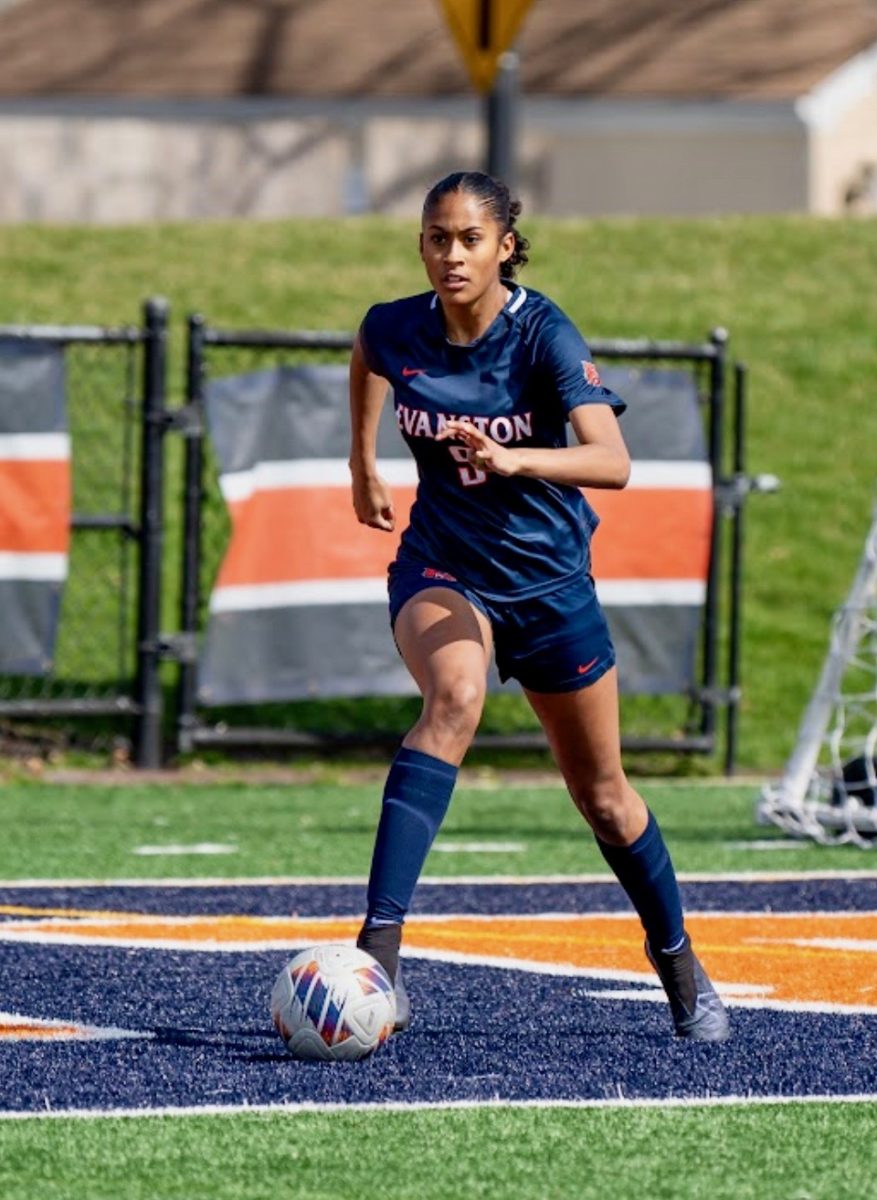
High school athletes in their varsity letterman jackets skipping class and starring in classic ’80s movies is the thought that lies behind the term jock. Being a jock has always meant the loud, masculine, popular kid whose whole personality is sports. Evanston is full of athletes but in 2025, being an athlete is not enough. Whether athletes like it or not, you need more identities.
The 80s is when jock culture was born. But it was also a time of great gender disparities especially in sports. When the idea of a jock comes to mind, a girl with a tennis racket isn’t what you think of. It’s a guy, maybe a football or basketball player, but always a guy. Jock culture started dying off as women’s sports started growing. Since the passage of Title IX in 1972, which prohibited discrimination in athletics, women’s sports have begun to grow and hold their own. Despite full equality not yet being reached in 2025, it’s been an upward climb that began decades ago. The growth of women’s athletics stripped away some of the old masculine image tied to sports, and that may have marked the beginning of the end of traditional jock culture.
It took just one generation of hyperfixated high school athletes to realize that chasing a degree would have paid off more than being the star athlete of their high school. Since the 80s, playing sports in college has gotten a lot more difficult. Participants in youth and high school sports have doubled since the 80s, yet roster sizes stay the same and have even been shrinking compared to 50 years ago. With international students, transfer portal, and raised competition, it’s not realistic to rely on sports to carry you to and through college. The jock who skips class isn’t guaranteed a future the way they once were.
High school athletes have been noticing this and have brought in a new identity for themselves, an academic one. Not only have athletes adapted the “student” part of being a student athlete, a lot of them have thrived at it. For example, in the 2023-24 school year, the average GPA of all student athletes is 3.9, while the non-student athletes have a combined average of 3.11. The competitive athletes seem to carry this nature into the classroom. The pride of doing well in school is something most athletes have acquired in the past decade.
The irony is that sports have gotten extremely more time-consuming compared to decades ago. However, there is an overwhelming pressure to succeed in the classroom as much or if not more than you do on the field. “What if you get injured? What if you get injured. What if you get injured?” This alone might have ended the stereotypical jock culture that your sport is your whole life. The fear coaches, parents, and teachers have put into athletes over the thought of a career-ending injury is real, and has also driven athletes to have more identities than just their sport. You aren’t the stereotypical jock if you put effort into school, and nowadays, it is getting rarer to find an athlete who doesn’t care.
Most high school athletes seem to follow this trend of letting go of the jock culture that once ruled sports. However, for the top-ranked high school athletes in sports such as basketball and football, is it actually over? Just because we don’t see it burn through the halls of ETHS doesn’t necessarily mean it’s dead for everyone. The jock stereotype may have changed with race and gender norms being broken, but with NIL deals being legal in high school, it might be on the rise once again.
Depending on your state, you may be eligible to get NIL money before you are 18. For example, Quinn Ewers, a football quarterback, reportedly earned $1.4 million before reaching college. A high school athlete making more money than most parents would definitely bring back the thought that no other identities besides being a jock are needed.
So, is jock culture dead or just reinventing itself?