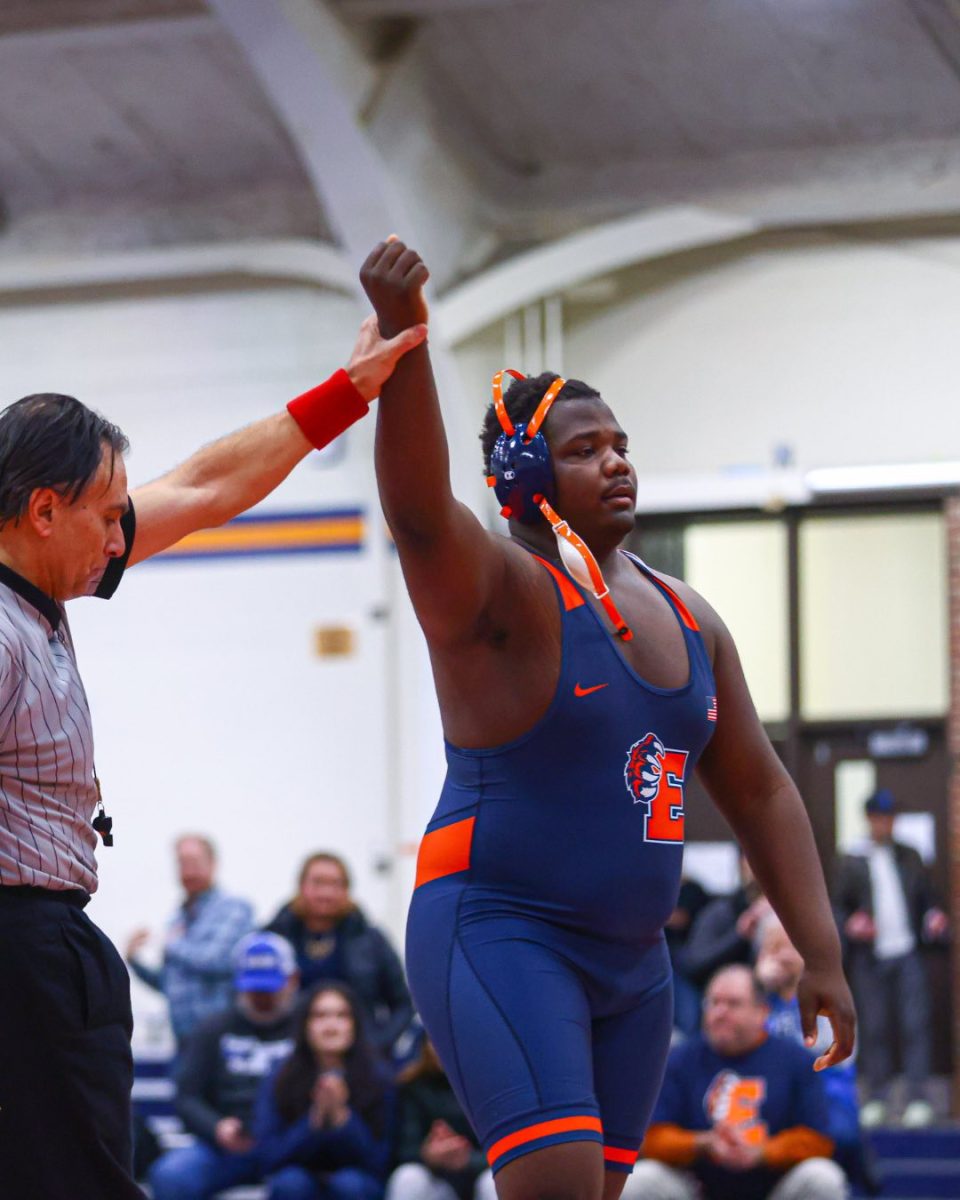
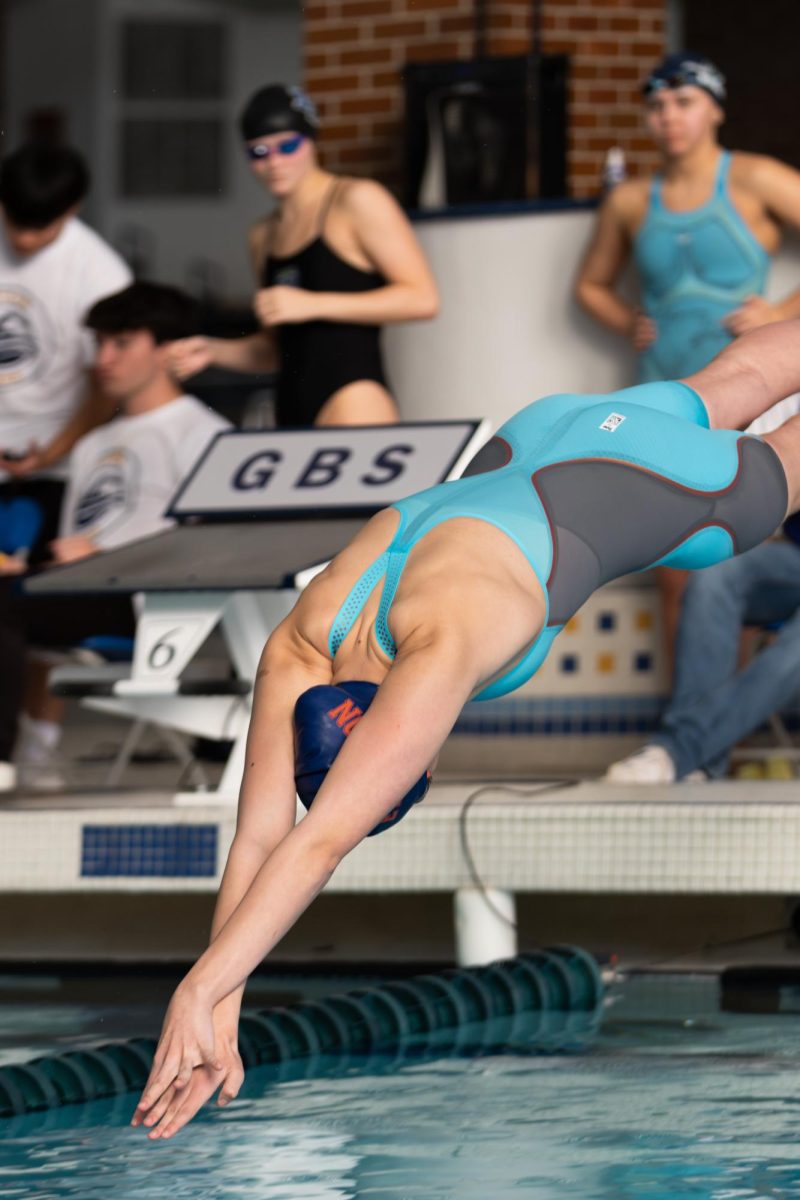
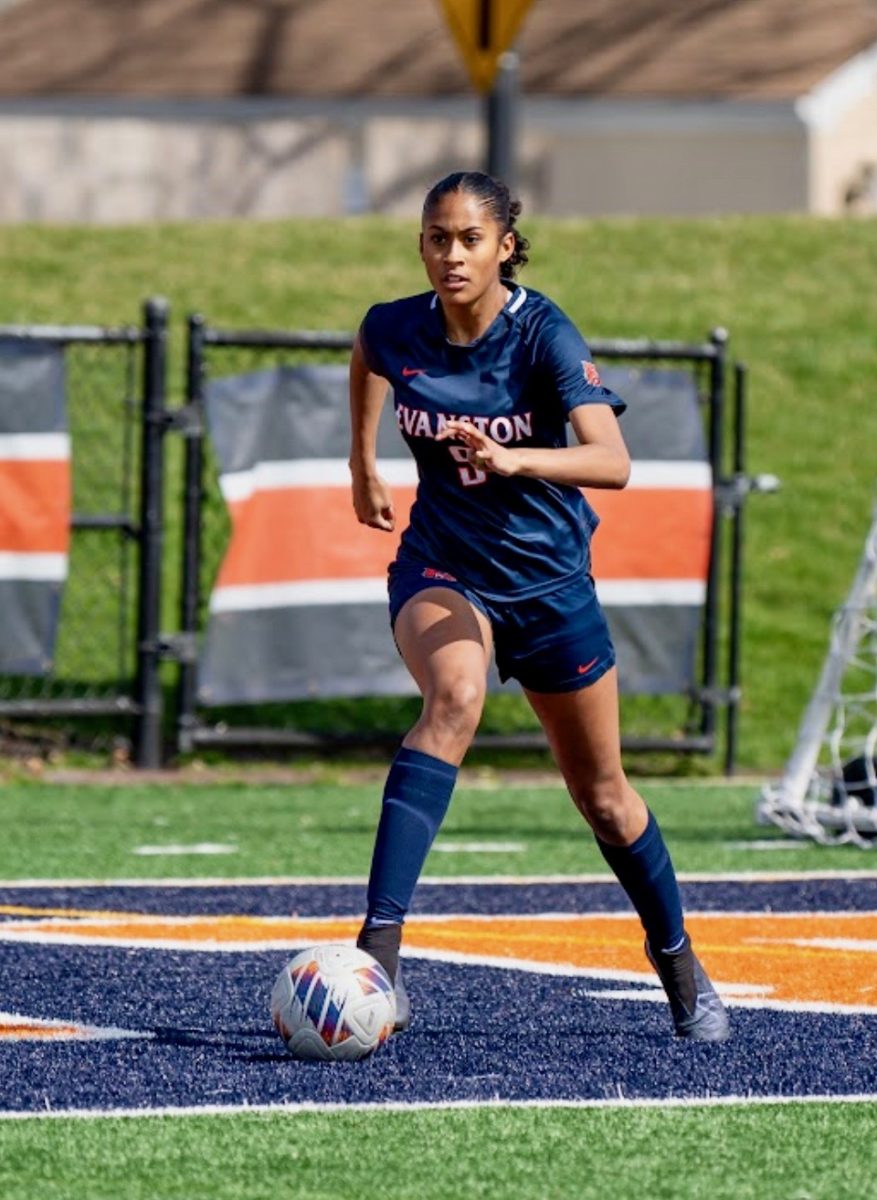
83% of parents of youth athletes believe their child has the skills to play in college or even professionally, yet only about seven percent actually do, according to a study by USA Today. This stark disconnect has become a major driver of one of the biggest problems in youth sports today: over-professionalization.
Rather than emphasizing fun, character development, and lifelong values such as teamwork and sportsmanship, youth sports are increasingly focused on winning and climbing the competitive ladder. Many parents view sports as a means to secure college admission — often with the aid of athletic scholarships.
In today’s hyper-competitive academic landscape, where getting into a “good school” can feel like a lottery, this mindset is understandable. But it’s also damaging. This shift in priorities has fundamentally changed how youth sports programs operate, pressuring young athletes, coaches, and families in ways that often make the experience worse for everyone involved.
Oftentimes, this involves a team hiring a new coach who takes the game much more seriously than the kids are used to, causing many of the kids to quit the team. Kody Moffatt is the division chief of pediatric sports medicine at Children’s Nebraska, and he has heard a lot of stories of the effects of over-professionalization.
“For a lot of kids, sports become less fun and more about the concept of what success is from more of an adult’s eyes than a child’s eyes,” Moffatt writes. “Kids want to stay active, play and have fun with their friends, and winning and losing is something that they care less about.”
Unfortunately, many kids simply feel that the pressure to win is too great, which causes 70% of them to quit youth sports before the age of 13, according to USA Today.
Another big problem that over-professionalization causes is single-sport specialization. Parents often believe that their kids need to focus all of their energy on one sport in order to make it to the next level. Athletes who play one sport are 75% more likely to suffer overuse injuries than their multiple sport counterparts according to the CDC.
The king of all overuse injuries is the UCL tear, which needs Tommy John surgery to repair. Shockingly, the Chicago White Sox’s head physician, Nikhil Verma, found the average age of a recipient of Tommy John is just 16 and a half. The surgery where the UCL is repaired by using a healthy tendon in a different part of the athlete’s body is widely regarded as the most serious sports-related procedure that someone can have.
All it takes to reverse the harm done by over-professionalization is for parents and organizations to shift their focus back toward kids enjoying the sport rather than winning in the sport. At the high school level, this looks like having student-athletes focus more on excelling in academics and extracurricular activities outside of their sport as the primary way to get where they want to be. Playing a no-cut sport can help ease some of the pressure to some extent. However, within no-cut sports, kids must get the benefits of playing a sport in high school without always being pressured to perform well on the field, surprisingly something that is often overlooked in many beginner-dominated teams. The goal of youth sports should never be to build the next superstar- it should be to build healthy, happy, and confident kids.