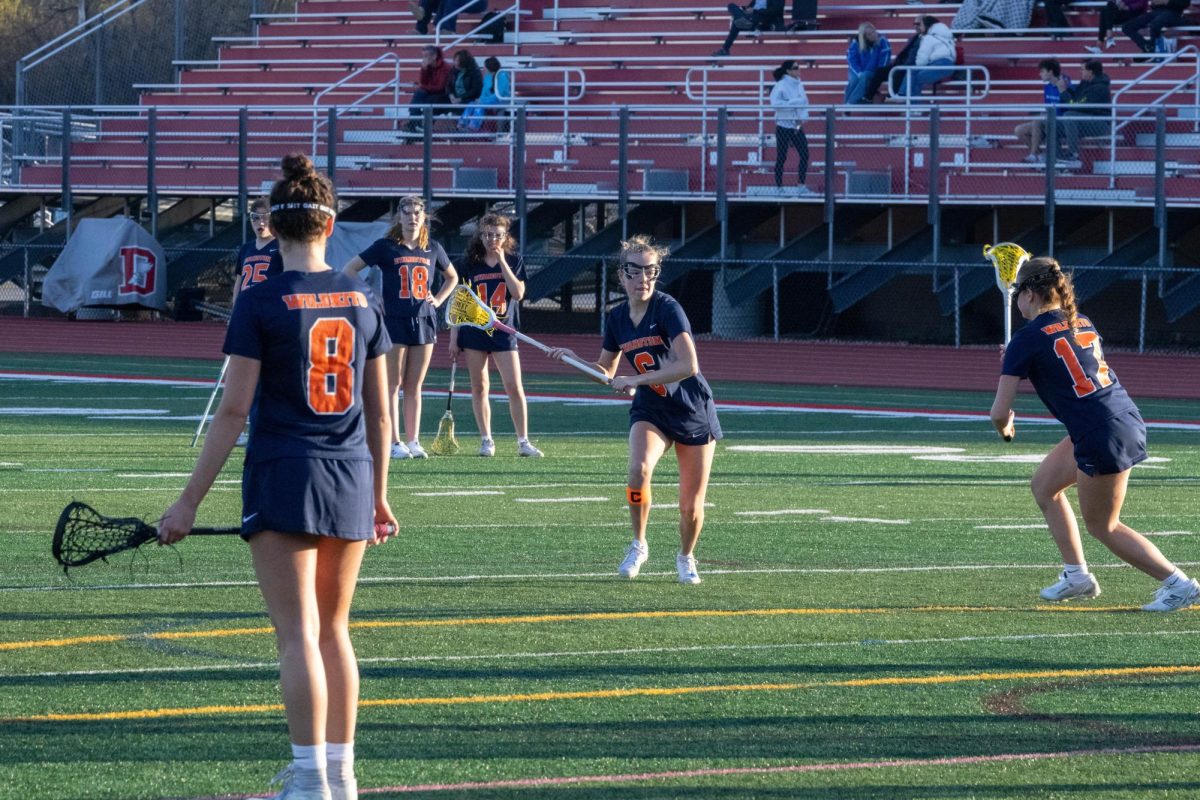
High school athletes shouldn’t diet, yet a lot of them do. According to Merriam-Webster, a diet is a regimen of eating and drinking sparingly to reduce one’s weight. No teenage athlete should be focused on losing weight. Food is fuel, especially for young bodies. However, the rage right now is to be thin.
The biggest misconception in the nutrition world is that everyone should be on a low-calorie diet. This is one of the worst things you can do as a young athlete. Compared to adults, teenage athletes’ bodies demand more calories and protein to support their rigorous workouts.
“Many of the athletes I work with need to consume close to 6,500 calories, due to training load, volume, intensity, and their general day-to-day activity,” said fitness trainer and nutritionist Wendi Irlbeck.
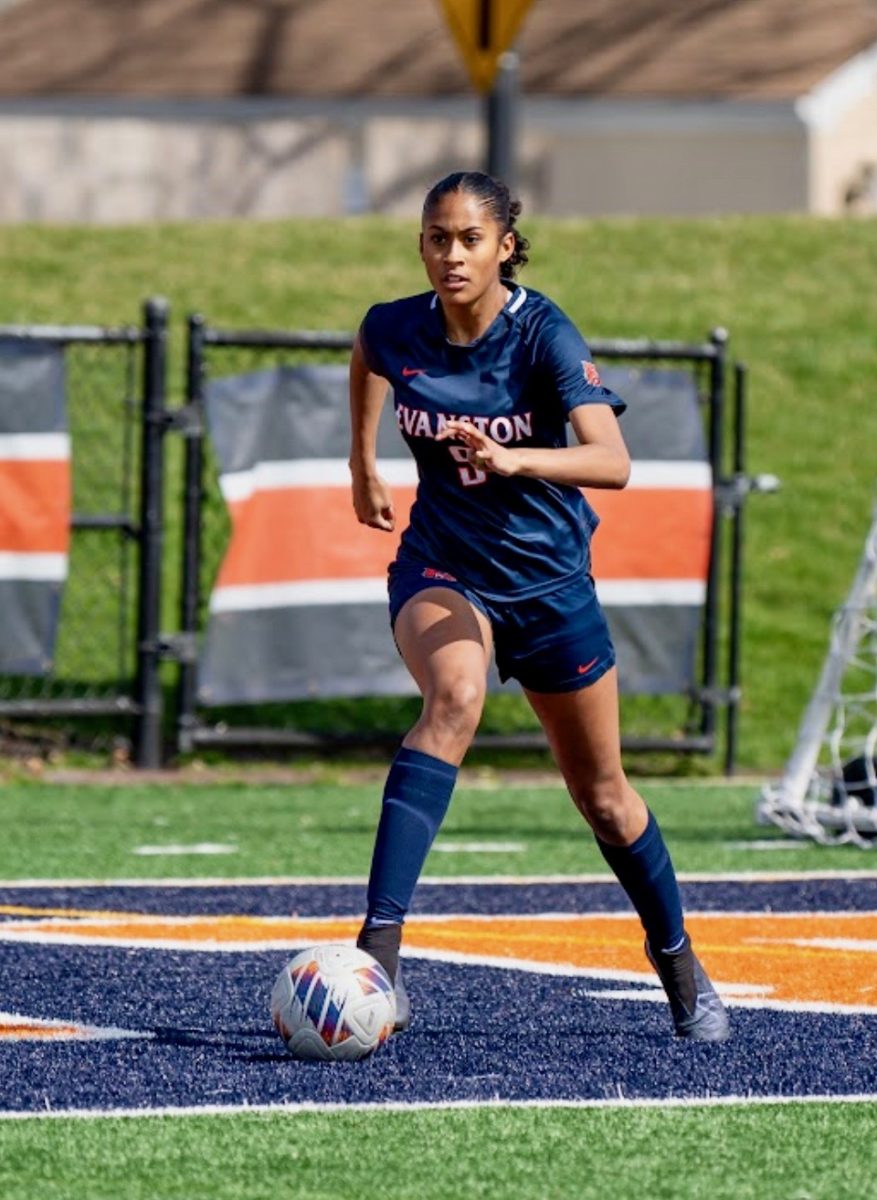
The current state of media does not support this at all. As a female athlete who needs loads of food to be able to function on the soccer field, my socials are filled with “how to flatten your stomach in 5 days”, “the 10 carbs you should avoid at all times to stay lean,” and “tips for cutting calories.”
This culture leads to eating disorders. According to the National Eating Disorders Association, there are higher rates of female athletes suffering from an ED by 6-45% and male athletes by 0-19%. This is the outcome of the pressure to have the stereotypical body composition and shape of an athlete. The consequences of underfueling are endless, stretching from severe injury risk to hormonal imbalance and the obvious, diminished performance.
Teenage athletes need to understand nutrition to avoid eating disorders and dieting. Here’s what they should know, but don’t. Carbohydrates are stored in muscles and can easily be used for energy. An average teenager needs 130 grams of carbs for their brain, and as athletes, they need around 400 to 500 grams of carbs, according to Irlbeck. Just because your parents say carbs are bad for you doesn’t mean you should listen. Protein is the building block in your body, restoring and creating muscle. Eating protein is how to replenish your body and keep the muscle you just worked for. A salad won’t benefit a teenage athlete the way chicken would.
Calories are in all protein and carbohydrates, and that isn’t a bad thing.
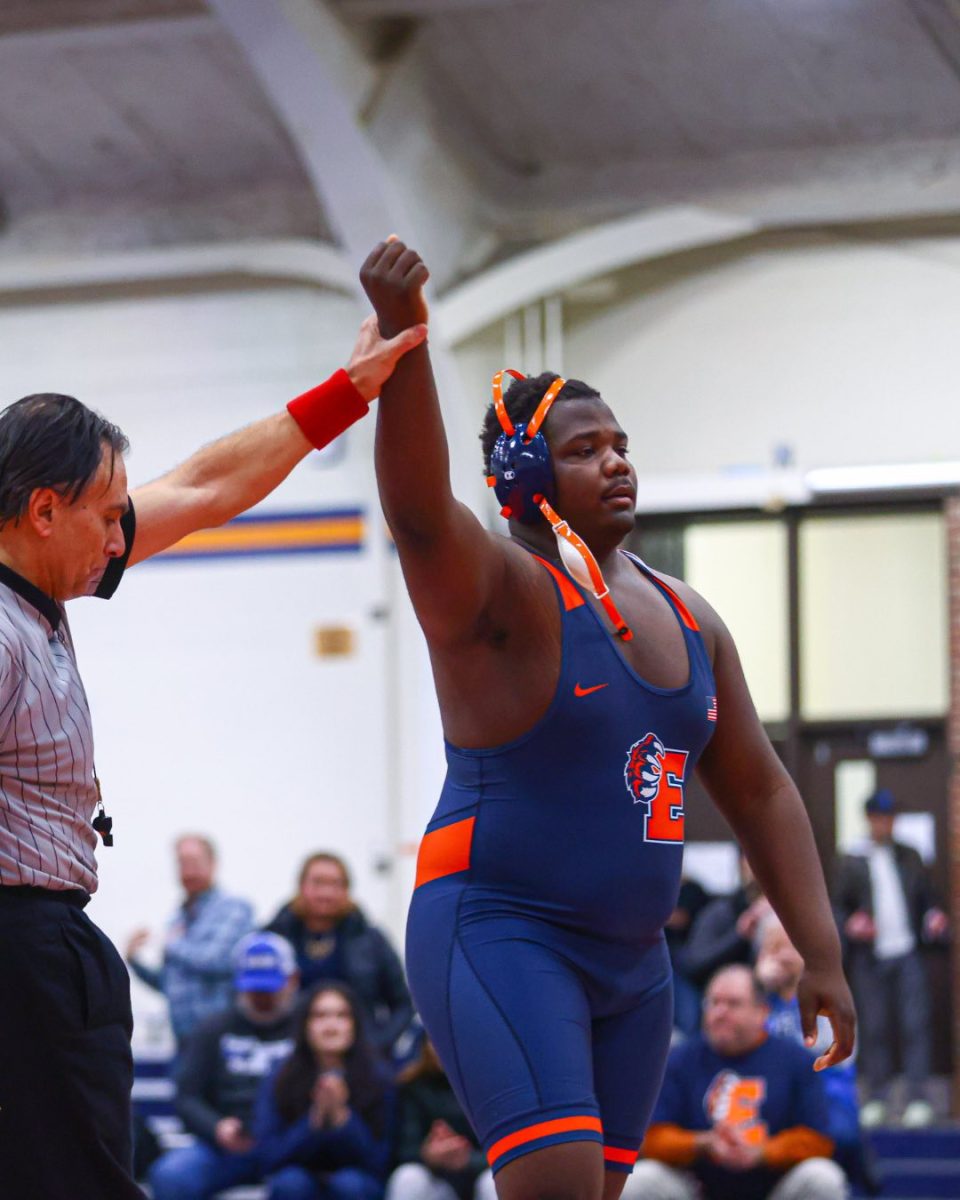
Being on a lower-calorie diet is how you lose weight, but most young athletes have the goal of getting stronger, not necessarily skinnier. Besides the few sports where weight actually does directly impact, like wrestling, weight should never be the focus. It should be getting strong.
Young athletes need so much more fuel than the average influencer they see on their feed. They need fuel for their pubertal development, muscle growth, and to support high-intensity workouts. However, due to the unethical restraints of experimenting with nutrition in teenage athletes, most of the fuel recommendations promoted to kids are based on adult research, according to a National Library of Medicine database.
This leaves all teenage athletes with the issue of not knowing how to fuel. The thought process is to not overdo it, so most players underfuel. But it’s best to remember the common phrase said at the end of sad romance movies when thinking about food, “it’s never enough”.