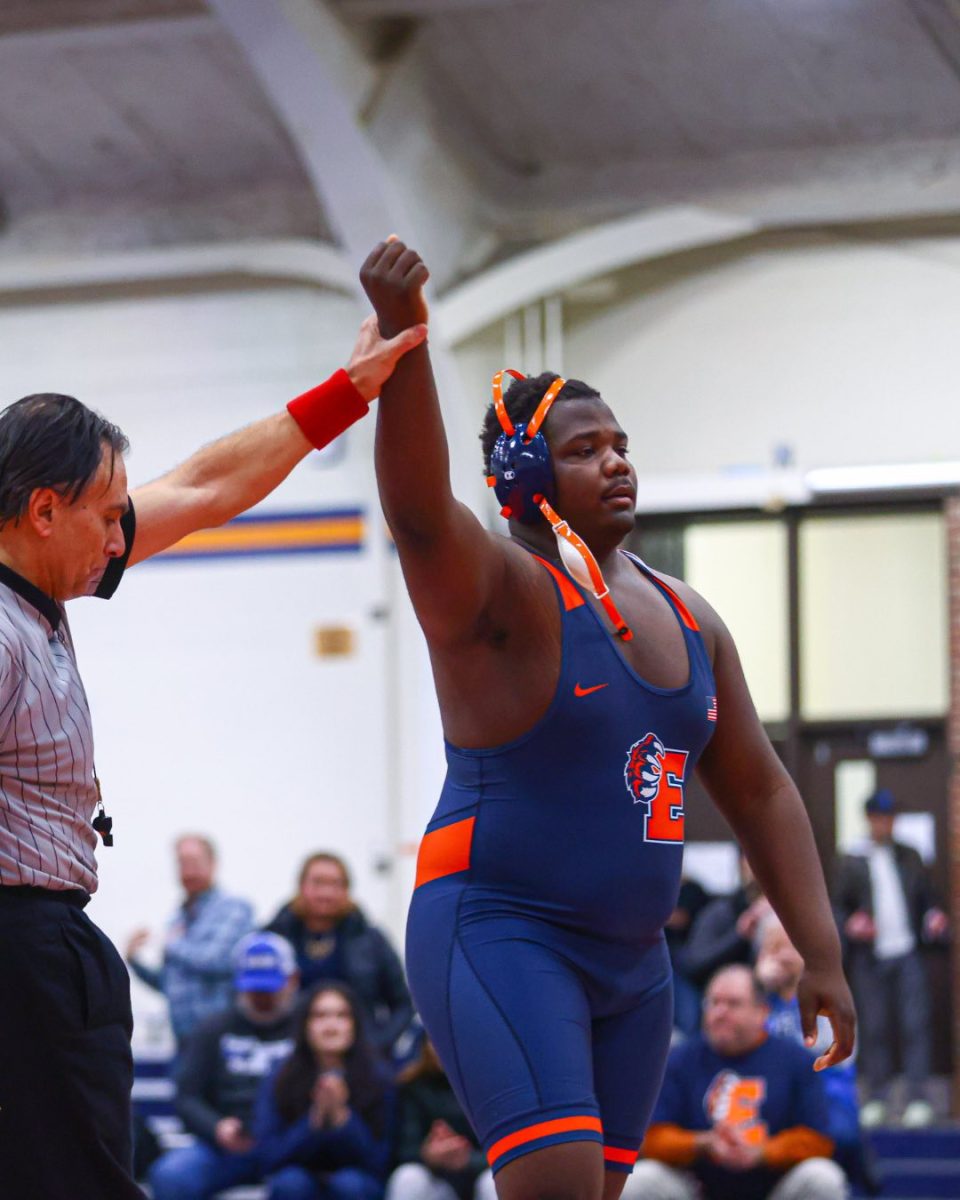
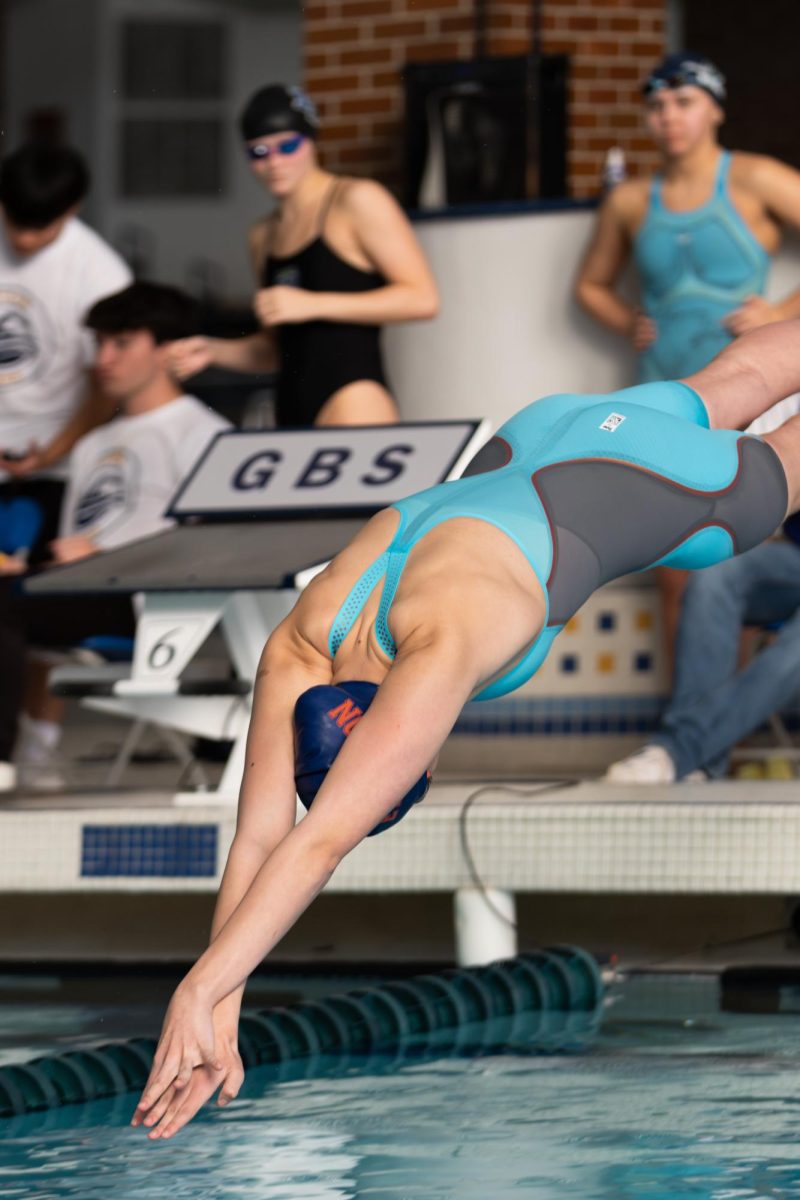
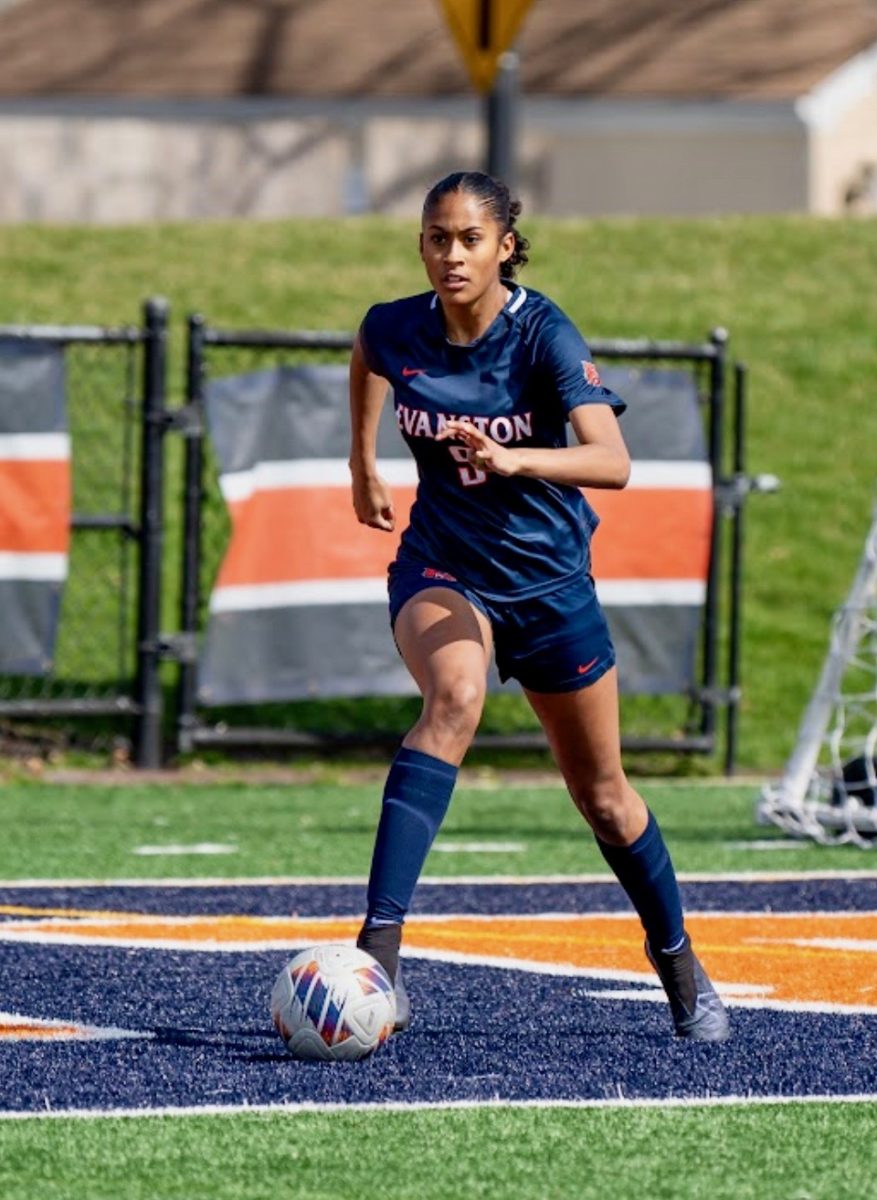
Many high school students aspire to get a sports scholarship to college. A full ride to a good if not great college just for playing ball, who wouldn’t want a chance at that? Division I and Division II schools give out over four billion dollars worth of scholarships every year. However, according to the NCAA, only two percent of high school athletes actually receive scholarships, a majority of which are only partial anyway.
So this leaves the other 98% of high school athletes wondering: what did I get from playing sports then?
“There are these expectations of standards that a student has met to do sports. So colleges have expectations of students who have met those standards, and they look at them as being of higher quality,” says ETHS College and Career Services Coordinator Beth Arey.
Arey emphasizes that it is the traits that sports build that are important, .Teamwork, commitment, goalsetting, and dedication, to name a few. Commitment to a team or sport builds important values and habits in young high schoolers.
Playing the sport itself doesn’t build those habits though, it is the instruction, the time commitment, the responsibilities, and the connection to school.
All coaches at ETHS live by the philosophy that student comes before athlete in “student athlete.” For a student to participate in sports, they must have less than a certain amount of detentions, and good enough grades. No exceptions.
The goal of this is to create an academics-first mentality, which is exactly the mentality that colleges look for in student athletes when considering whether to give a student a scholarship
Another trait that colleges look for in student athletes is their willingness or tendency to be contributors.
“The expectation is that when they come to their college they are going to be contributors, and that’s what college campuses need. They need people that are going to step onto their college and be doers, and joiners, and collaborators,” explains Arey.
This may be misleading though, because doing the most sports possible does not necessarily give a student the best application.
“It doesn’t matter if it is the same sport or different sports as much as it’s the time,” Arey mentions. “It’s the time commitment.”
“Like I always say, it’s not about doing lots of things, it’s about doing things with depth,” she continues.
It is important to note however, that sports are not the only way to impress colleges.
“Not only are they taking student athletes, but they are taking musicians, artists, policy makers, and advocacy students,” Arey adds.
And although many of these activities may be vastly different from competitive sports, it all boils down to the same thing again–commitment. Music is no different.
“Music is actually a real strength area. I’ve noticed that in competitive colleges a lot of the students who have gotten in over other students have orchestra and band on their transcripts,” says Arey.
This is in large part because playing music takes years of practice. Those years of practice show commitment to college recruitment offices, much like students’ commitments to sports.
In a different light, high school sports have continuously been proven to provide benefits outside of college recruiting too.
“We know that students being engaged in something, whether that be an activity or a sport, and having a connection to school leads to greater success in school,” says Arey.