When Taylor Swift’s album “The Life of a Showgirl” came out in October, the loudest criticism seemed to be that the record sounded “rushed” and “unfinished” – more like demos that needed extensive polishing than the twelve-song masterpiece Swift said she “always wanted to make.” To The Teen Magazine’s Kate Shen Barrantes, the album “is the embodiment of Swift’s recent musical decline as a result of her oversaturating herself in recent years.” Barrantes’ statement echoes a familiar feeling among critics and fans alike: Swift – and many popular artists in general – are prioritizing quantity over quality.
Disappointed fans often turn to trusted voices in music, such as Rolling Stone and Pitchfork magazines, to validate their dismay. “If my friends and I thought the album wasn’t good, surely seasoned music critics would find some flaws, right?” Wrong. If the conversation surrounding Swift’s twelfth studio album was not contentious enough, Rolling Stone’s five-out-of-five-star rating caused extreme backlash. Written by Maya Georgi, the review lauded Swift’s “scorching sonic choices” and “hilarious as ever” lyrics. The reaction from internet users wasn’t as cordial. Users on Instagram commented, “either Taylor paid you for this review, or you’re afraid of her fans,” and “music criticism is dead.”
Swift’s album and Rolling Stone’s subsequent review reveal a frustrating and all-too-common cycle in the music industry today. Artists release albums long on content but short on creativity and effort; media outlets, for fear of losing viewership and the lucrative relationship with the artists themselves, give the albums good reviews, using platitudes while failing to criticize obvious weaknesses. This cycle has made me re-examine the role that criticism plays in creating art. Is it time to “bring back” criticism?
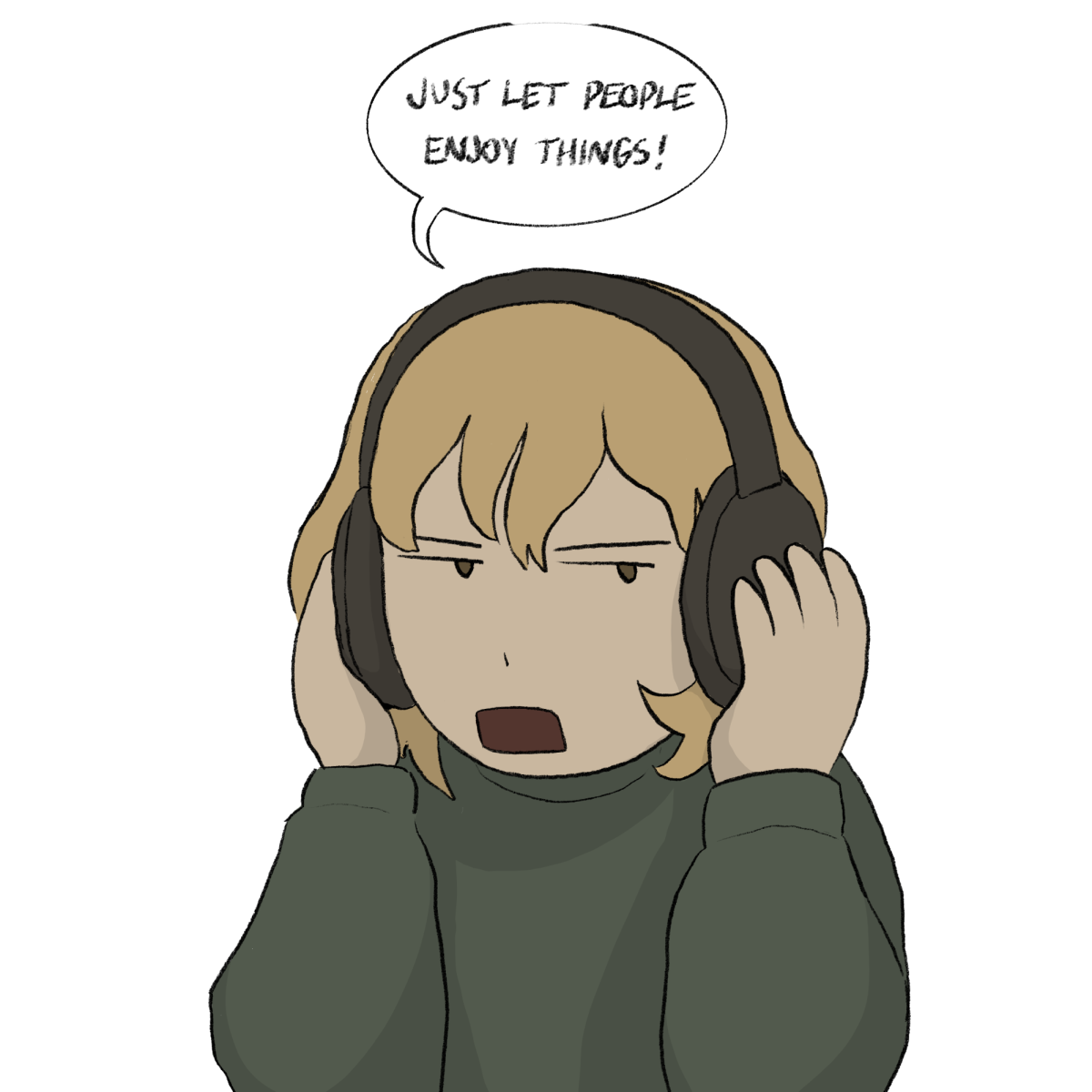
A common response to my argument is usually something along the lines of “Just let people like what they like!” and “Why does it bother you so much?” And generally, I can appreciate that. No one should get mad at another person because they liked an album, a movie, or a book that they disliked. My problem does not lie with the individual – it lies with the system. It feels like the bar is on the floor for popular artists right now. The artists can release anything, and their fans will pay for, consume and defend it – even if, deep down, they know that it is not their best work. And many music critics have these fans’ backs.
Audience opinion and good-faith criticism matter. Artists, especially ones that have been in the industry for over ten years, often get stuck in a creative rut, an echo-chamber of “yes men” who will let the artist write and release anything, knowing it will sell – no matter the quality. There is no one around them to say, “No, you should really polish that,” or “The writing on this song isn’t your best.” And many artists themselves cannot pass on the money inevitably “streaming” in. Why be the greatest when 50 percent of the effort makes the same amount of money?
As a longtime fan of Tame Impala, I was excited for Kevin Parker’s new EDM and techno-inspired album “Deadbeat.” Upon listening to the album, I was underwhelmed by the lyrics and the production that seemed to build on many songs and then go nowhere – unlike the innovative psychedelic and even synth-pop sounds on his albums “Currents” and “Lonerism.” I was not alone in this feeling. Pitchfork said,
Their review was critical, but constructive. It broke down tracks and dissected why they either worked – or did not – down to the last eight-count. This kind of criticism is more of what we need – and perhaps what artists need as well. Whether or not Parker reads the review, we can only hope that his audience’s middling reactions, coupled with the critics’ suggestions for improvement, will push him to reach his creative potential in his next project.
When artists are not challenged like this, they risk being enabled to release almost two-hour-long tracklists with four songs in a row that sound almost exactly the same (Zach Bryan’s “With Heaven on Top,” Playboi Carti’s “MUSIC,” Taylor Swift’s “The Tortured Poets Department). Too many albums have sub-par writing, lackluster production and unnecessary features solely added to surprise the audience, and not because the featured artist improves the song. And, as icing on this capitalist cake, a “concert film” with overpriced tickets. Unfortunately, the line between art and enterprise has become extremely blurred. Sales take precedence over critical acclaim, and it seems that sometimes the more successful an artist gets, the less creative they become. Instead of pushing themselves in a more experimental and interesting direction, they are focused on chasing the success of their previous project. Musical experimentation will invite music lovers of other genres, increasing a musician’s overall fanbase and income. Just look at what happened to Olivia Rodrigo when she started dabbling in alt-rock styles with her last album, “Guts,” instead of continuing her image as Taylor Swift’s protege.
Bombarding artists with hate because their newest project was not up to par with your standards is not the answer. Instead, think about the music you are consuming and whether or not it is challenging you as a listener to expand your sonic horizons. Be critical of the critics. Write a review of a new album, even if just for yourself to read. Thinking critically about a piece of art, instead of blindly consuming, helps us to learn more about ourselves.