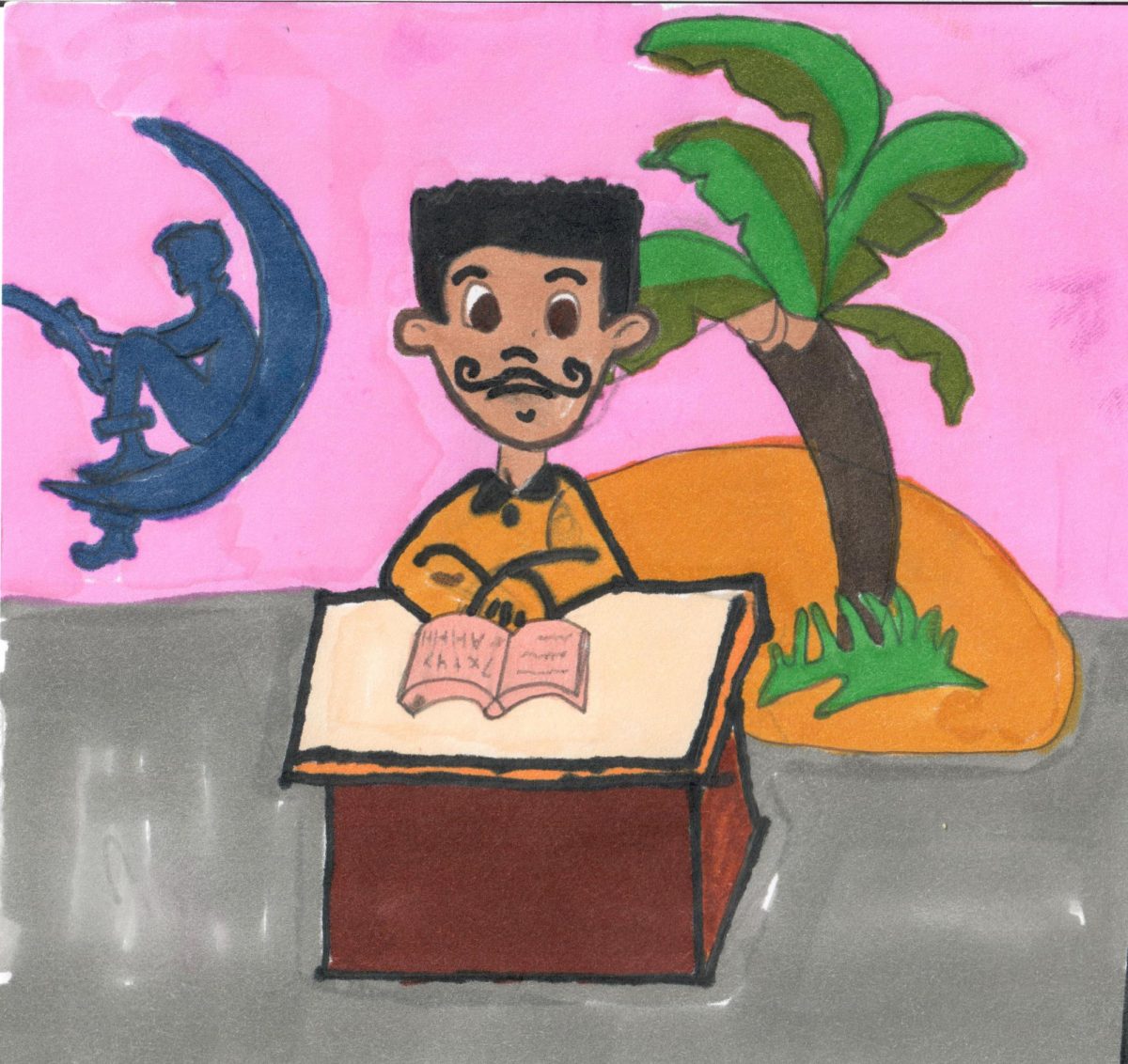
In a country that is becoming progressively more polarized, where dissimilar groups increasingly struggle to find common ground, there remains one thing that almost all Americans have a shared understanding of – regardless of race, religion, age, politics, or socioeconomic status. That thing is the American Education System. We, Americans, all have a clear vision of what school looks like, a vision that manifests itself across pop culture, from T.V. shows to slang to music. The vision goes something like this:
From age five to eighteen, American schoolchildren awake early in the morning, where they traipse to school to spend hours in uncomfortable chairs, rotating between teachers and classes at 45-minute intervals. Teachers assign their pupils grades in one of the following “core subjects” – math, English, science, or history. Students learn material by rote; multiplication tables, synopses of books such as Romeo and Juliet, and facts such as ‘mitochondria is the powerhouse of the cell’ are committed to memory.
This is what we have grown up with, what we are used to. But should this be how school is?
A common criticism of school is its lack of applicability to the “real world” (i.e., students’ post-secondary lives). By being pigeonholed into the aforementioned “core subjects,” students have little opportunity to pursue their own hobbies and passions, as well as “real life skills,” such as how to file taxes and budget money effectively. This dearth of practicality has left students and graduates alike feeling disaffected with their country’s school system, believing that it is bereft of educational value. These criticisms are valid. While it is important that students learn the basics in core academic areas, the American Education System has a duty to prepare its students for life outside of school as well.
Trade and vocational schools already exist post-high school. These courses allow students to gain specific, specialized skills that are useful for expedited entrance into certain fields. Schools for trades such as electricians, welding, and plumbers help high school graduates gain access to high-demand, high-paying careers early in their adult lives. The natural remedy for the aforesaid problems with our school system would be incorporating elements of these vocational programs into high school curricula so that students could be qualified for careers before they even graduate.
“I think we should have more [vocational school] opportunities,” says Richard Cardis, who teaches AP U.S. History at ETHS. “Not everyone wants to or needs to go to college. There are a lot of well-paying jobs that vocational programs would prepare students for.”
ETHS sophomore Anouk Roth mirrors his thoughts. “Some [of the] things that you learn in vocational school are also good life skills. It gives people more options so they don’t feel limited by the current system.”
In many regards, ETHS has adopted a more rounded approach to education in comparison to other high schools in the U.S. ETHS students are permitted a greater amount of independence when it comes to course selection, especially for upperclassmen. This allows them to take advantage of the wide range of electives in dozens of disciplines – particularly Career and Technical Education classes. CTE classes include everything from Auto Maintenance to Certified Nurse Assistant Training to Women in Programming. These courses permit students to study their interests and spread their wings. Not all schools have the wherewithal to do as we do, and we cannot take our school’s offerings for granted.
With that being said, there is still room for improvement at ETHS. Shifting from the antiquated idea that the college is the default path, and any other path is an aberration, can help open students’ eyes up to possibilities other than college, allowing them to better take advantage of CTE classes at ETHS. Likewise, emphasizing vocational education as an equal and alternative path to college in school rhetoric can accomplish the same goal. Adding more CTE classes in a greater variety of fields can draw in even more interested students.
On the whole, developing a more balanced blend between “core” and CTE courses will help students graduate high school with the tools they need to achieve scholastic and vocational success in their post-secondary lives.